This World Homeless Day, we need to think beyond the pavement.
When we talk about homelessness, what do we picture?
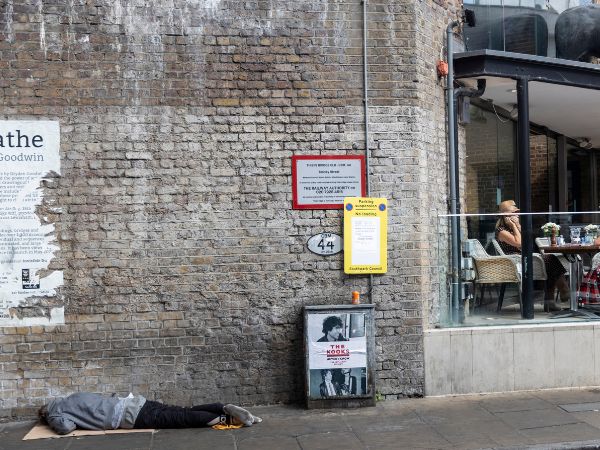
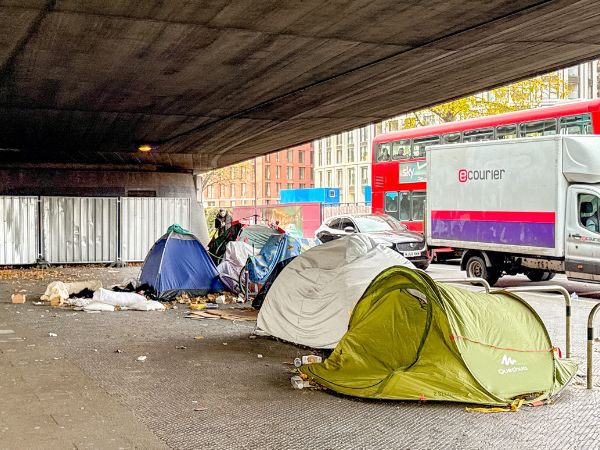
For many people, the answer is someone sleeping rough on a city street. It is the most visible form of homelessness, and it is understandably where much of the public conversation focuses.
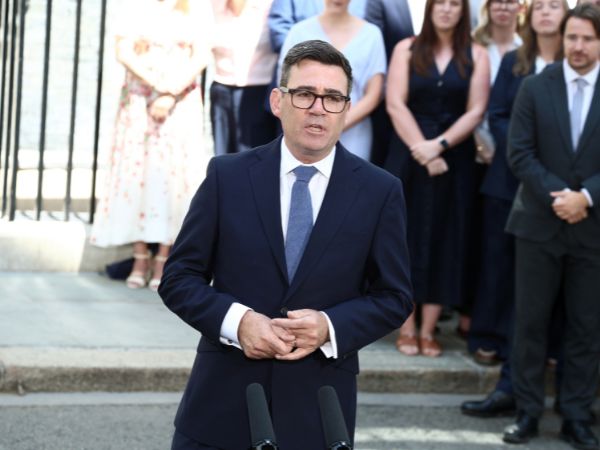
Now, with Prime Minister Andy Burnham pledging to end rough sleeping, there is renewed attention on the issue. At Church Homeless Charity, we welcome that ambition. We want to see fewer people sleeping on the streets, and we support efforts to bring about meaningful change.
But if we are serious about ending homelessness, we need to have a much bigger conversation.
Because rough sleeping is only the tip of the iceberg.
A new focus on rough sleeping
The Prime Minister’s commitment to end rough sleeping has brought the issue firmly into the national conversation.
That matters.
The latest government figures show that an estimated 8,748 people slept rough at some point during June 2026. Of these, 37% had been sleeping rough long-term, while 31% were new to rough sleeping.
The figures are a reminder that this is not a problem we can afford to accept as normal.
We should want to change the systems and circumstances that leave people sleeping on our streets. We should want quicker routes into safe accommodation, better support and more effective ways of helping people rebuild their lives.
But we also need to be realistic about what ending rough sleeping actually means.
Giving someone somewhere to sleep is an essential first step. It is not necessarily the end of their homelessness.
People do not all arrive on the streets for the same reason. Someone may have lost their home after a relationship breakdown. Someone else may be leaving prison, escaping domestic abuse, struggling with addiction or experiencing poor mental health. Someone may have lost their job or been unable to keep up with rising housing costs. For others, several of these things may have happened at once.
A room or a bed can provide safety. But it cannot, on its own, address everything that led someone there.
That is why wrap-around support matters.
People need to be seen as individuals, not simply as a number to be moved from one place to another. They may need help with mental health, addiction, benefits, employment, relationships, identification, physical health, budgeting or finding somewhere permanent to live.
Getting someone off the street is vital.
Helping them stay off it is the bigger challenge.
What about everyone who isn’t sleeping rough?
This is where our understanding of homelessness needs to become much broader.
Because homelessness does not always look like sleeping in a doorway.
At the end of March 2026, 135,580 households in England were living in temporary accommodation. That included 86,460 households with children, and a total of 177,530 children were living in temporary accommodation.
These families may be living in hotels, hostels, bed and breakfasts or other temporary accommodation while they wait for a more permanent home.
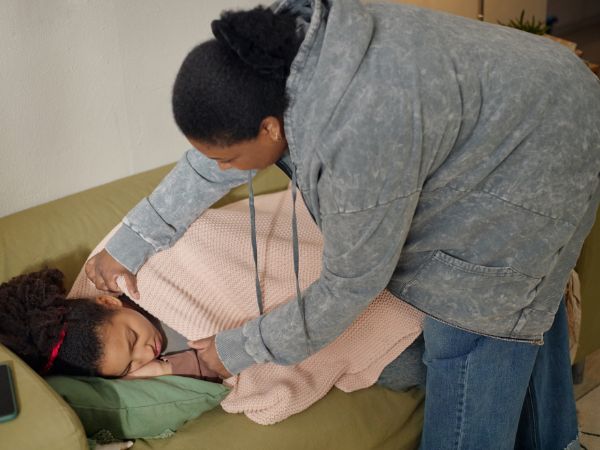
They are homeless too.
And then there are the people whose homelessness is much harder to see.
Someone sleeping on a friend’s sofa because they have nowhere else to go.
Someone moving between relatives.
Someone staying somewhere that was only ever meant to be temporary.
Someone living with other people because they cannot afford a home of their own.
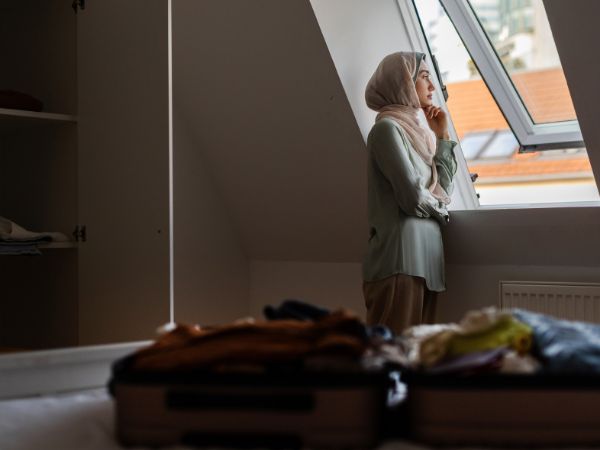
The latest English Housing Survey found that around 605,000 households had hosted someone who was homeless in the previous 12 months. It also estimated that around 1.6 million households contained at least one additional adult who would prefer to rent or buy their own home but could not afford to do so.
This is what is sometimes described as hidden homelessness. It is homelessness that may not be visible from the street, but it can still mean living without the security, stability and independence that a home should provide.
So when we talk about “ending homelessness”, we need to ask:
What do we actually mean?
Does it mean nobody sleeping rough?
Does it mean every family has somewhere safe to stay?
Does it mean people are no longer forced to sofa surf?
Does it mean people have a genuine route into a safe, secure home?
Or does it mean all of these things?
We need to change what has become normal
At Church Homeless Charity, we believe the Prime Minister’s ambition should be taken seriously.
We should not accept rough sleeping as an inevitable part of life in our towns and cities.
We should not accept families spending years in temporary accommodation as simply how things are.
And we should not accept people becoming homeless because the support available to them came too late.
Our Executive Director, Miriam Morris, believes the renewed focus on rough sleeping is an important opportunity for change. She welcomes the Prime Minister’s determination to act, while also recognising that homelessness is far more complex than a single target can capture.
As Miriam puts it, the danger is that policymakers set a clear and measurable target and then focus so heavily on achieving it that the wider picture is lost.
That does not mean the target is wrong.
It means we need to look beyond it.
We need policies that help people before they reach the streets, as well as support for those already there. We need to recognise that women and families experiencing homelessness are often less visible because they are less likely to sleep rough. We need services that respond to the reasons behind someone’s homelessness, not simply the fact that they are homeless.
And we need to make life safer and more bearable for people who remain on the streets while longer-term solutions are found.
Why World Homeless Day matters
This is why World Homeless Day matters.
It is not simply a day to talk about people sleeping rough.
It is an opportunity to stop and think about what homelessness really means in 2026.
It is an opportunity to challenge the idea that homelessness has one face, one cause or one solution.
And it is an opportunity to ask what we can do differently.
For individuals, that might mean learning how to respond safely and compassionately when you encounter someone who is homeless.
For communities, it might mean supporting local organisations, fundraising or finding out more about the homelessness services in your area.
For policymakers, it means looking at the bigger picture and investing in the prevention, housing and support that can stop people entering the cycle of homelessness in the first place.
And for all of us, it means refusing to see homelessness as something that is simply part of the landscape.
This World Homeless Day, look beyond the streets
We want to see a future where fewer people become homeless, where people can get help quickly when they do, and where support is available to help them move towards a safe and secure home.
We support the ambition to end rough sleeping.
But we also believe that success cannot simply be measured by how many people are no longer visible on our streets.
The real measure is what happens next.
Are people safe?
Do they have the support they need?
Can they access a permanent home?
Have we addressed the circumstances that led to their homelessness?
And are we doing enough to stop someone else ending up there tomorrow?
This World Homeless Day, let’s keep asking those questions.
Because if we really want to change homelessness in this country, we need to look beyond the streets and see the whole picture.
If you’re able to, please consider supporting our work. A small grant can be the difference between someone rebuilding their life – or slipping back into homelessness.