This issue is full of stories that represent resilience over adversity. You’ll read about people who held on to hope until support arrived at just the right time.
Alongside those hopeful stories, we also want to talk honestly about one of the most difficult realities of homelessness: addiction.
Addiction can contribute to someone losing their home, while the experience of homelessness can start an addiction, or make an existing addiction harder to escape.
It’s easy to fall into the trap of thinking that people ‘choose’ drugs or alcohol, or that they’d prefer to refuse help.
But, by the time someone is deeply dependent on drugs or alcohol, the illness is affecting the parts of the brain responsible for reward, motivation, judgement, and impulse control.
Behind addiction can be trauma, abuse, grief, mental ill-health or experiences from childhood that someone has never had the chance to process.
As we cover in this issue – recovery is possible – and addiction doesn’t have to be the end of someone’s story.
Liam’s story
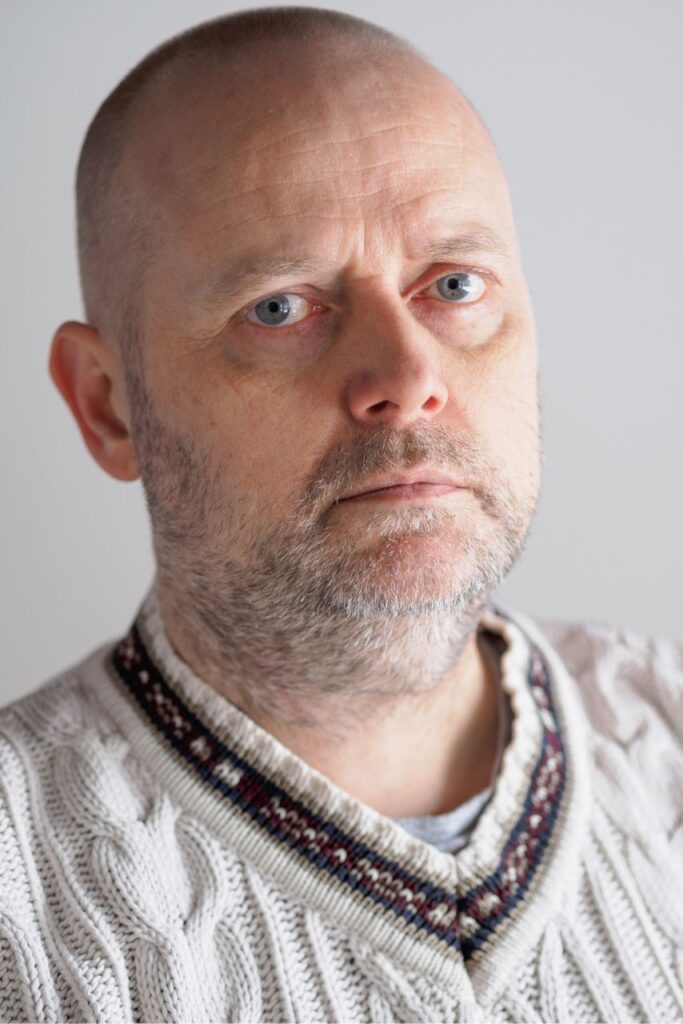
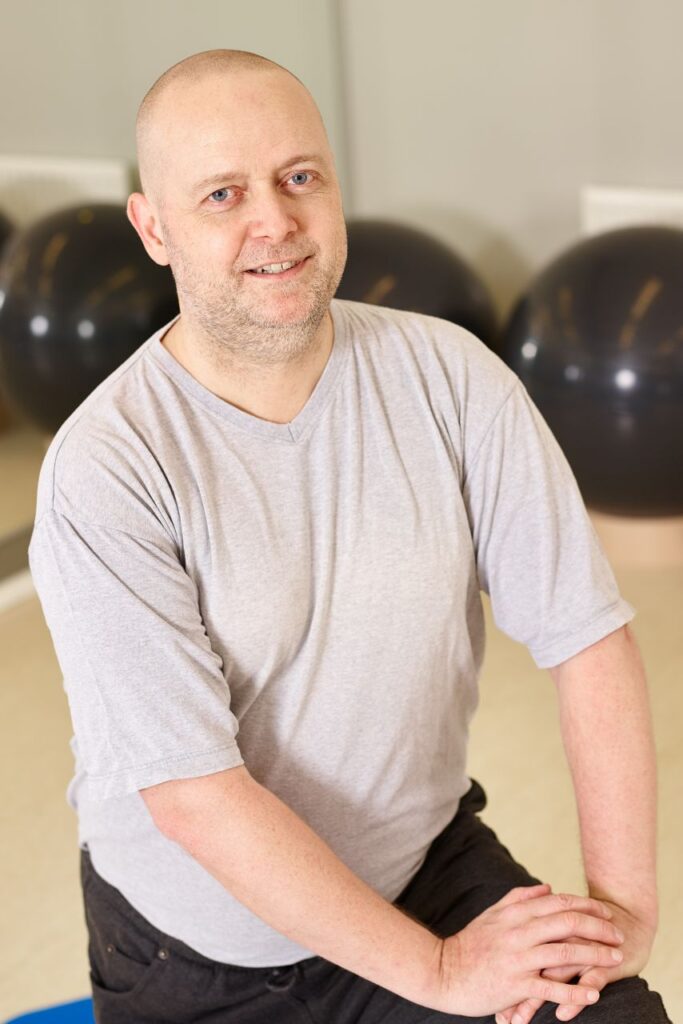
Liam used to pride himself on working hard to support his wife and two children. But an unseen battle with mental health took hold, and he turned to alcohol and cocaine to cope. In a short amount of time, he lost his job, his marriage, and his home.
He lives in a supported accommodation scheme in Surrey, which keeps him off the streets and provides the structural support he needs to recover. It was here that Liam learnt about Church Homeless Charity and accessed one of our grants. The grant was a lifeline that matched his determination to get his life, and his pride back.
A routine that helps Liam rebuild
Like many people in supported accommodation, Liam lives on an income that just about covers the basics.
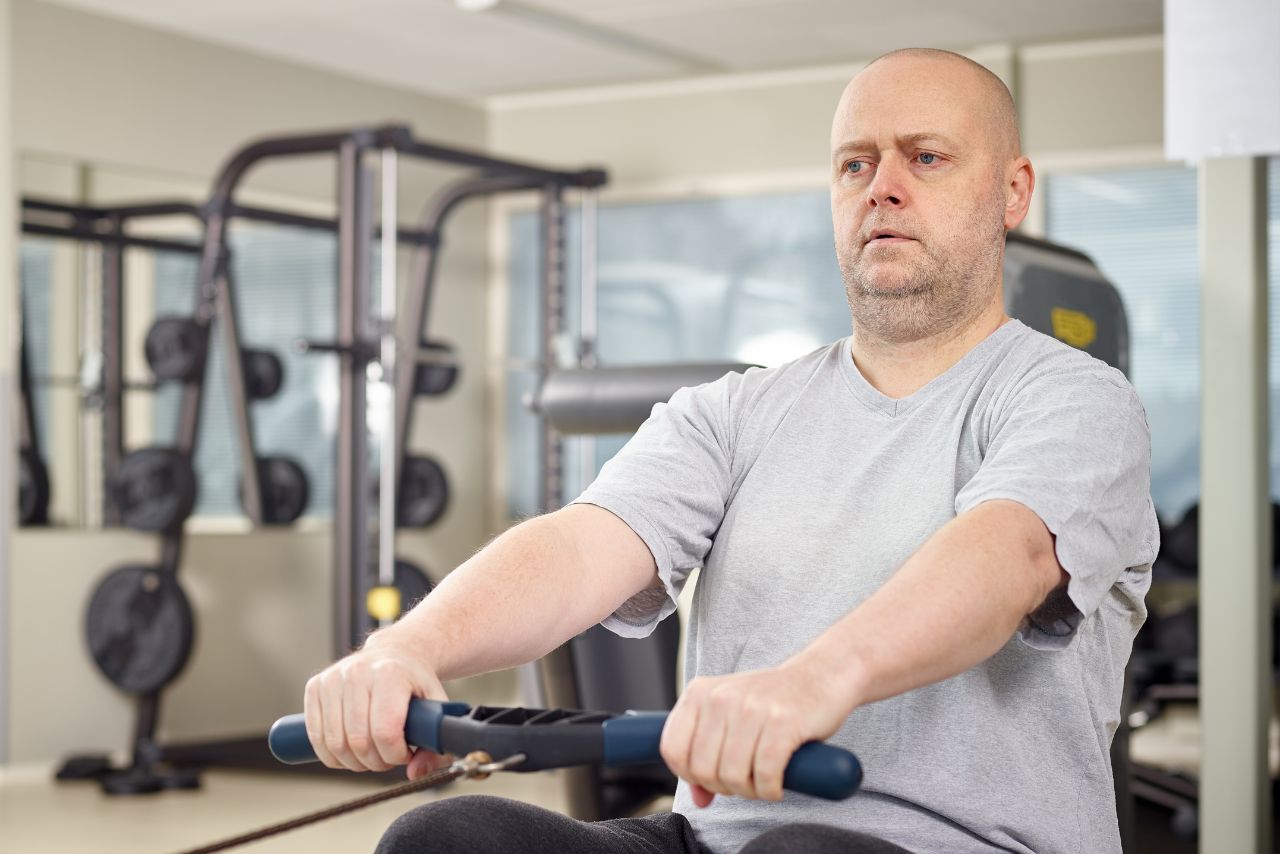
Following a diagnosis of ADHD and autism, Liam realised he had been using substances to manage his symptoms. One thing he missed after becoming homeless was exercise, which had always given him a sense of purpose and helped him regulate his emotions.
Thanks to our supporters, we provided Liam with a grant for membership at a local gym.
His support worker told us:
“Being able to focus on his physical health and doing an activity he enjoys has been pivotal to Liam’s recovery – helping him reach several months clean from substances.”
She added:
“It is amazing that funding like this is available to help people in difficult situations, and I think that the work that CHC does is so important, not only to provide the basics – but to help people access things that improve their lives.”
Looking ahead with confidence
Today, Liam feels more motivated, more settled, and more positive. He’s rebuilding his confidence and his relationship with his children – one manageable step at a time.
A gift of £200 helps someone like Liam leave homelessness behind.
This grant recipient asked to be anonymous.
Interview: from lived experience to lasting change
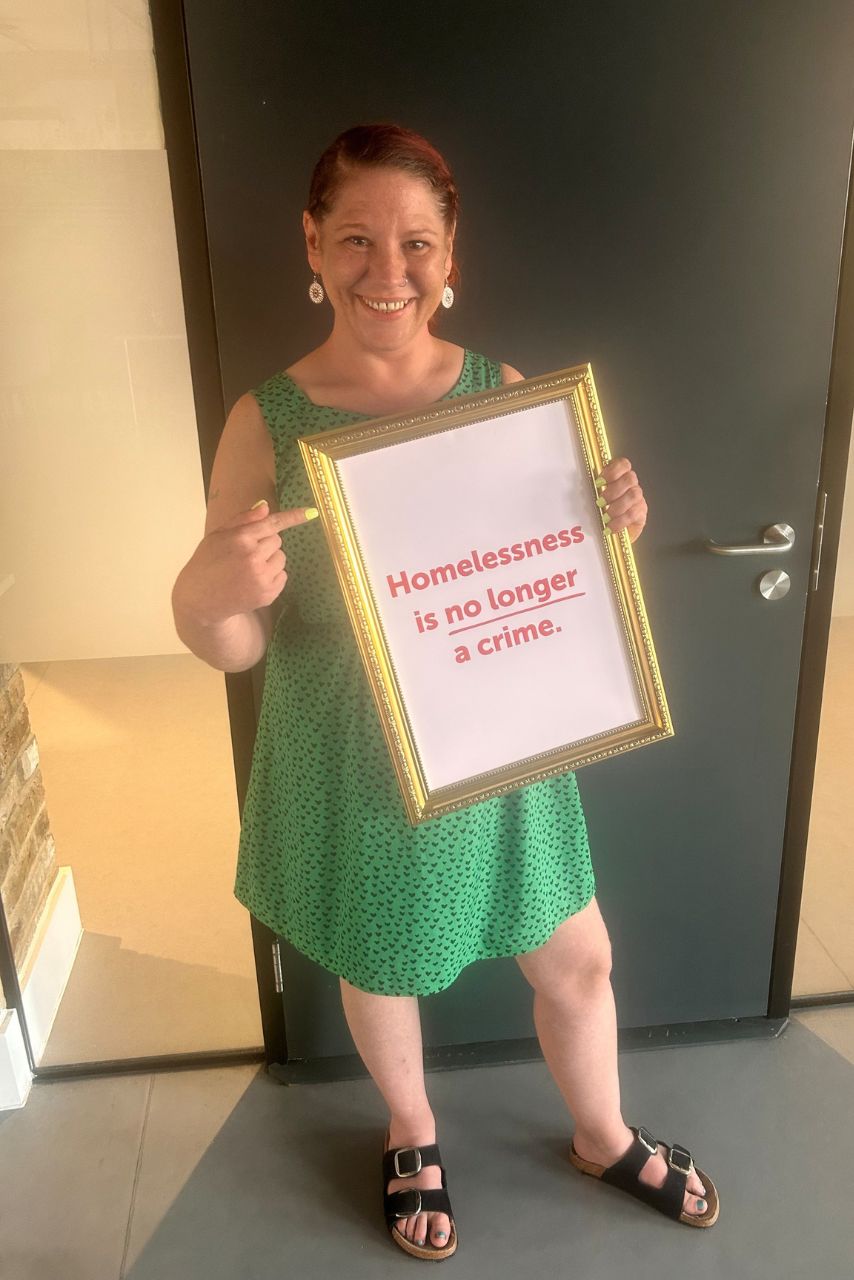
For this issue, we spoke to Kerri Douglas, a powerful voice for people experiencing homelessness, a published author, and a sought-after speaker.
For 11 years, Kerri endured the hardships of homelessness. During that time, she was arrested and imprisoned under the Vagrancy Act of 1824, which meant people could be prosecuted simply for rough sleeping or begging. She describes this as deeply unjust, and it inspired her to campaign against the criminalisation of homelessness.
This year, the UK Government officially repealed the Vagrancy Act, a landmark moment credited in part to Kerri’s tireless campaigning.
We’re incredibly grateful that Kerri has shared her story with us. It reminds us that there is always hope for a different future
The reality of recovering from addiction and homelessness is that people aren’t ready to make big changes straight away. Recovery often begins with meeting the most basic needs.
At this stage, it isn’t about ‘outcomes’. It’s about creating stability and restoring a sense of independence and humanity.
Ben
Ben* turned to alcohol and drugs after the death of his son. He eventually ended up on the streets, where he lost his ID. Without ID, he could not apply for a bus pass. Vital when his addiction support meetings moved to a different area.
Nick
Having turned to drugs to cope with cerebral palsy and eight years of rough sleeping, Nick* arrived at a hostel with very little. Here, he was held back by his broken glasses, which only had one lens. A grant ensured Nick could see again, and socialise with confidence.
Fiona
Alcoholism led to many years in and out of homelessness for Fiona*. We supported her with a grant for clothes, shoes, and underwear, as she arrived at a hostel with only the clothes she was wearing.
India
After fleeing domestic violence, India* became homeless and turned to substances to cope. In supported accommodation, she needed a phone to stay in touch with support services and a TV to help her relax in her room.
*These grant recipients asked to be anonymous.
Grants that change lives
With a bespoke approach, we support beneficiaries in a way that makes sense to them. Here are some examples of grants that can make a difference.
A phone is a means to contact support services, use the Universal Credit online portal and stay connected with family and friends. Phones are now essential for managing everyday life. When you’re trying to rebuild, it’s even harder to do without.
One of the most requested grants for someone recovering from addiction is a new set of clothes. Even choosing new clothes from a shop can help restore a sense of pride and show someone that they are worth investing in.
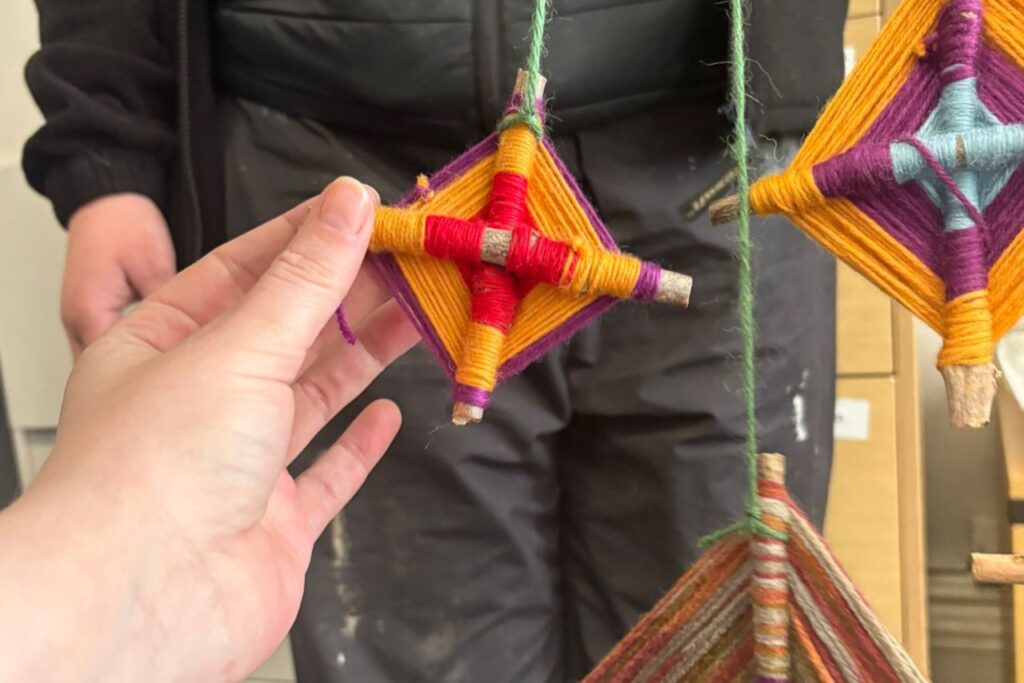
Group projects create opportunities for staff in supported accommodation to engage with residents who might otherwise stay in their rooms or return to old habits outside the scheme. They also give residents a sense of purpose and pride in what they’ve achieved.
The maximum individual grant is £200, a small amount in relative terms – but each one is a stepping-stone that helps someone leave homelessness behind for good.
A summer to remember for homeless veterans
Veterans in North Yorkshire enjoyed a summer of projects and activities designed to reduce isolation and boost confidence.
Residents at a scheme specifically for homeless veterans in North Yorkshire tend to keep to themselves, which can make it difficult for staff to build relationships with them.
Many live with complex PTSD, social anxiety, or physical injuries. Staff work hard to create a positive environment, but isolation can be a daily reality, particularly as the scheme is in a remote location.
In this issue ‘Fall forward: our autumn newsletter’ read about some of the ways our donors are changing lives – and the moments that remind us why this work matters.
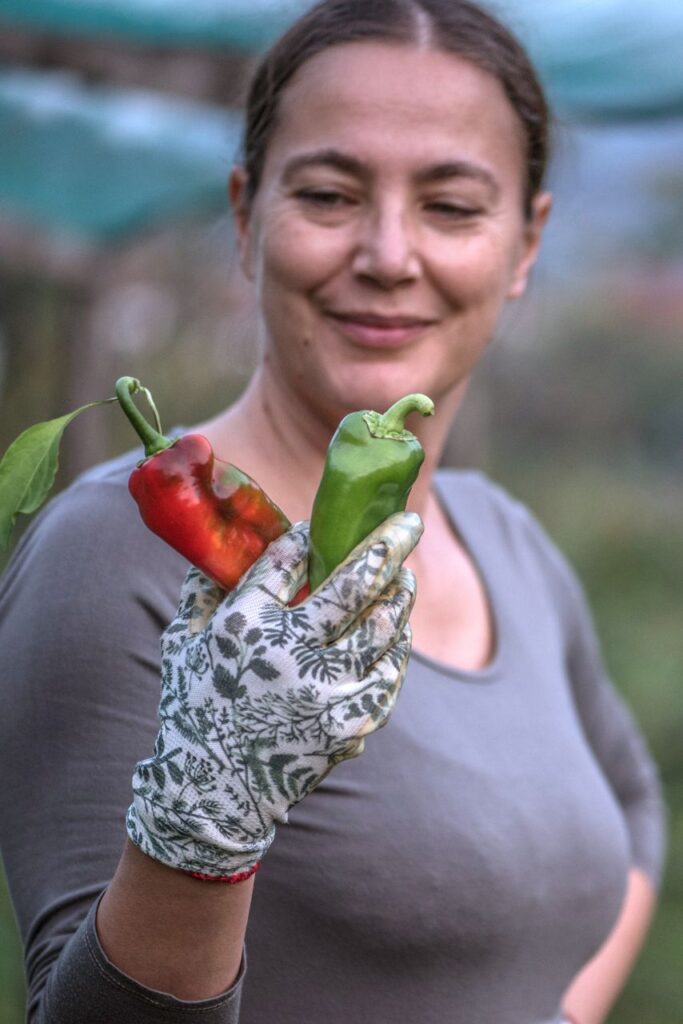
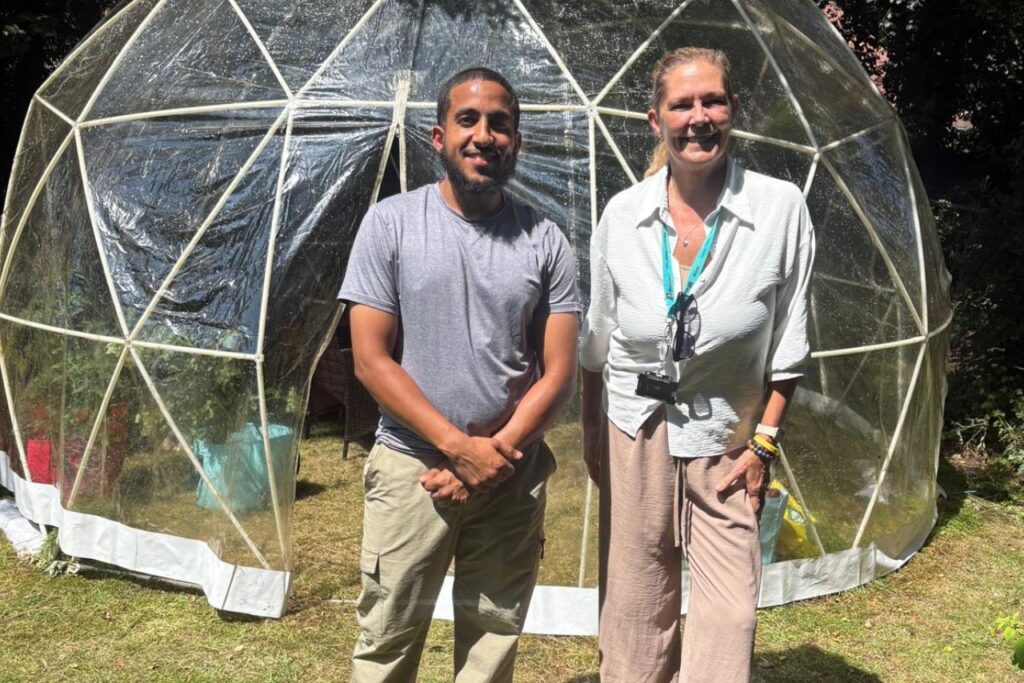
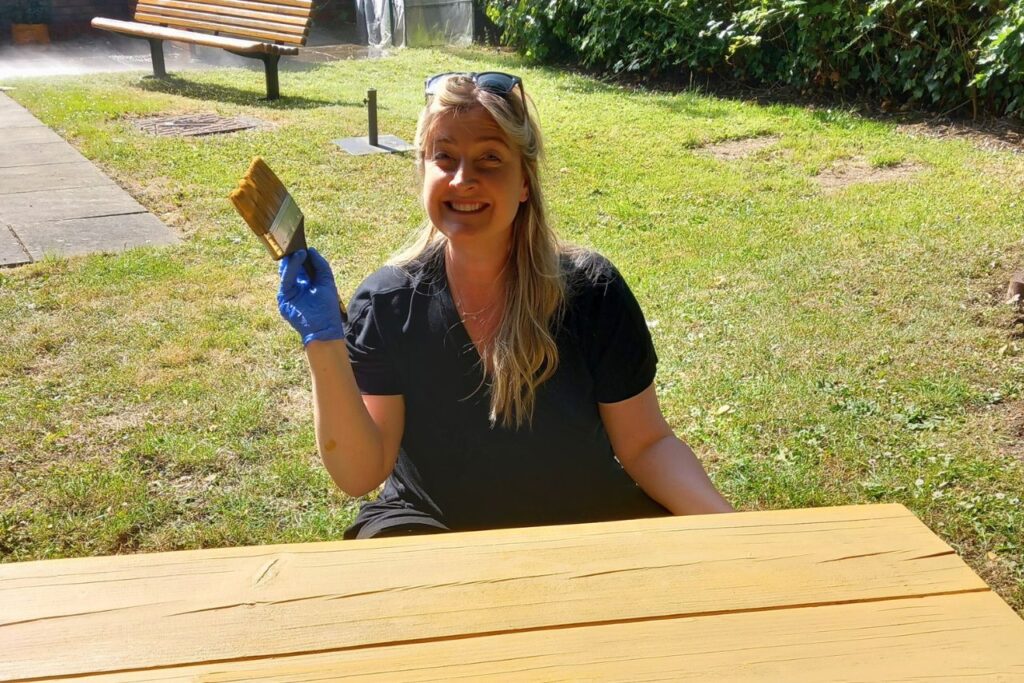
It wouldn’t be a summer recap without celebrating the beautiful gardens made possible with grants. A women-only scheme in Manchester now boasts a therapeutic garden for its residents. In collaboration with the Lancashire Wildlife Trust, the scheme has transformed the space into a welcoming environment for wildlife, as well as somewhere residents can grow their own produce. Vitally, it brings people together and helps to form lasting friendships.
The support worker commented:
“The benefits have extended beyond the garden itself. The ladies are now using the produce they have grown to prepare meals, developing new cooking skills, and confidence in the kitchen. Their increased sense of pride, wellbeing, and friendship has been wonderful to see.”
At a scheme in Hull for homeless adults with learning difficulties, the transformed garden is now a welcoming space for all, achieving the residents’ aim of attracting bees and butterflies. The scheme also enjoyed a trip to the seaside, taking in the sights, visiting the arcades and enjoying some fish and chips. Now an annual trip supported by CHC, it brings people together and gives them something to look forward to.
The support worker commented:
“Some of those who came hadn’t been to the seaside for many years and said this was not something they would have done independently. They were very grateful that they had the support to go and also the funding to do so.”
Elsewhere, gathering over cooking and eating seemed to be the theme of the summer, as schemes know that this is a simple way to bring people out of their rooms. At a scheme in Swindon for people with learning difficulties, a breakfast club proved to be a huge hit. It gives people a healthy start to the day while creating a sense of belonging.
Participants commented:
“Breakfast Club helps me make better choices with food.”
“It makes me eat as I sometimes forget to eat altogether.”
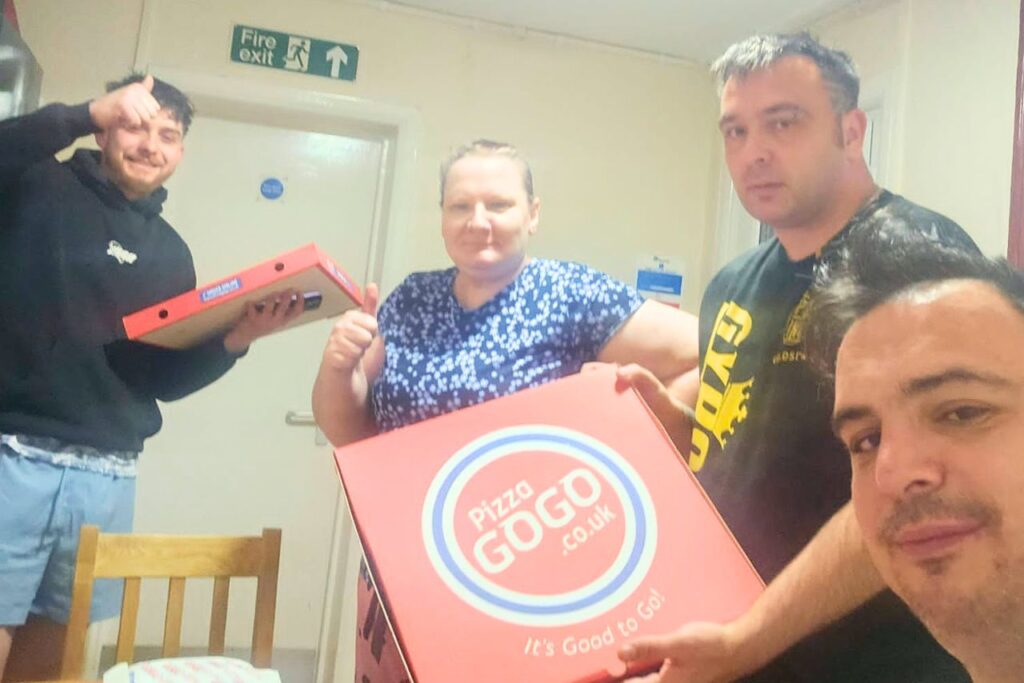
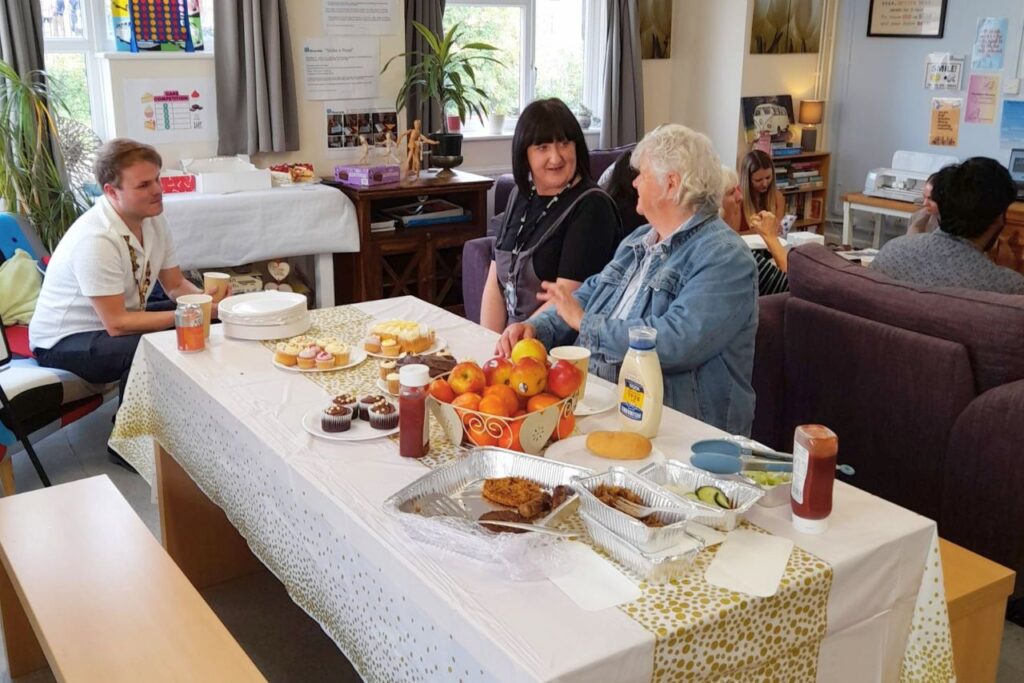
At a supported housing project in Surrey for people with complex support needs, a pizza night helped bring together a diverse group of people meeting for the first time. It was a chance to prevent isolation and give residents something to look forward to.
The support worker said:
“Planning the evening is the most animated and excited that I have heard them.”
At a supported accommodation service for vulnerable young people in Stroud, residents planned a BBQ and open day to develop their planning and budgeting skills and build confidence. They invited external agencies and support services, helping to bring together the wraparound support that is so important for young people.
Many of the residents would not normally have met these agencies or had an opportunity to visit them. It also helped them see the opportunities available to them in the wider community.
A support worker wrote:
“Residents were able to show support and external agency staff where they live and what they achieve at the scheme.”
Giving with confidence
At its heart, our charity is simple: money comes in from generous people like you, and grants go straight out to support individuals experiencing homelessness. Because every grant we give is vetted by a support worker, you can be completely confident that your gift reaches the right people in the right way.
We can all feel helpless watching homelessness rise, but supporting us is a direct, reliable way to make an efficient impact.
How to make a donation
Set up a quick one-off gift or a recurring monthly donation via our website.