
[vc_row][vc_column][vc_column_text]People living on the street rarely get the chance to cook, let alone buy fresh ingredients.
Others living in cramped temporary accommodation, and on lower incomes, will face the same struggle to buy fresh food and have a clean, safe place to prepare it. Homeless people are often forced to buy ready-made junk food that will provide a quick burst of energy, but is not nutritious.
Because of this, those with experience of homelessness are also more likely to have unhealthy lifestyles, which can cause long-term health problems or exacerbate existing issues. One study from 2014 found that 35% of homeless people do not eat more than two meals a day.
With this in mind, Church Housing Trust funded a series of workshops at one of the schemes they support in Hull that provide a useful guide on how to improve health by eating well on a budget.
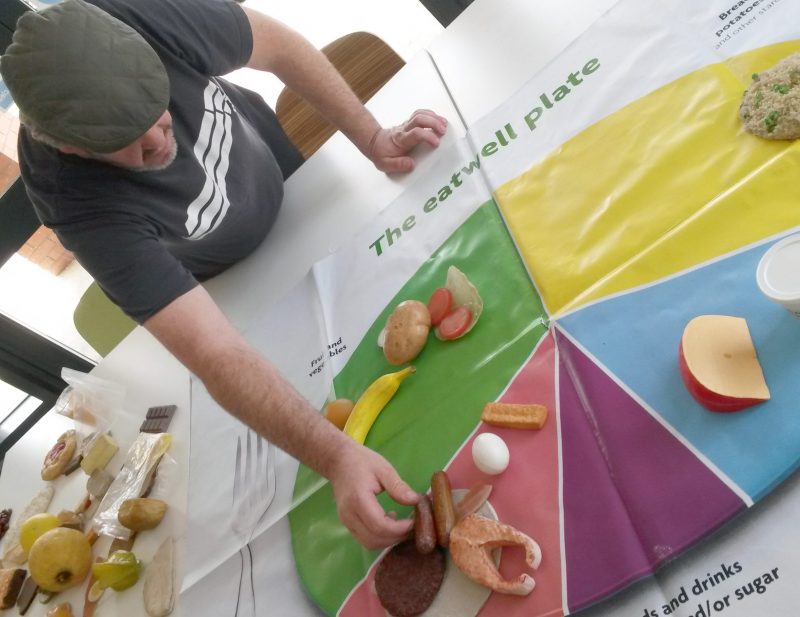
In order to help improve residents’ overall self-esteem and mental health, staff at the scheme used materials from The Eatwell Guide to create a series of sessions that encourage awareness of how nutrition relates to well-being.
The workshops covered a basic introduction to nutrition and wellbeing, followed by deeper explanations of the effects of sleep, alcohol, and diet on your mood and well-being. They will also go on to explore the best foods for providing nutrition at low cost, and finally take a top-to-toe analysis of how to maintain a healthier body.
Making use of food donations from FareShare alongside the activity materials, the residents got involved in group discussion in a relaxed environment and then cooked and ate together.
Support team member Darren said that the workshops have been beneficial for “looking at positive changes we can make to our lives,” for both staff and residents.[/vc_column_text][/vc_column][/vc_row]