
A support worker’s perspective
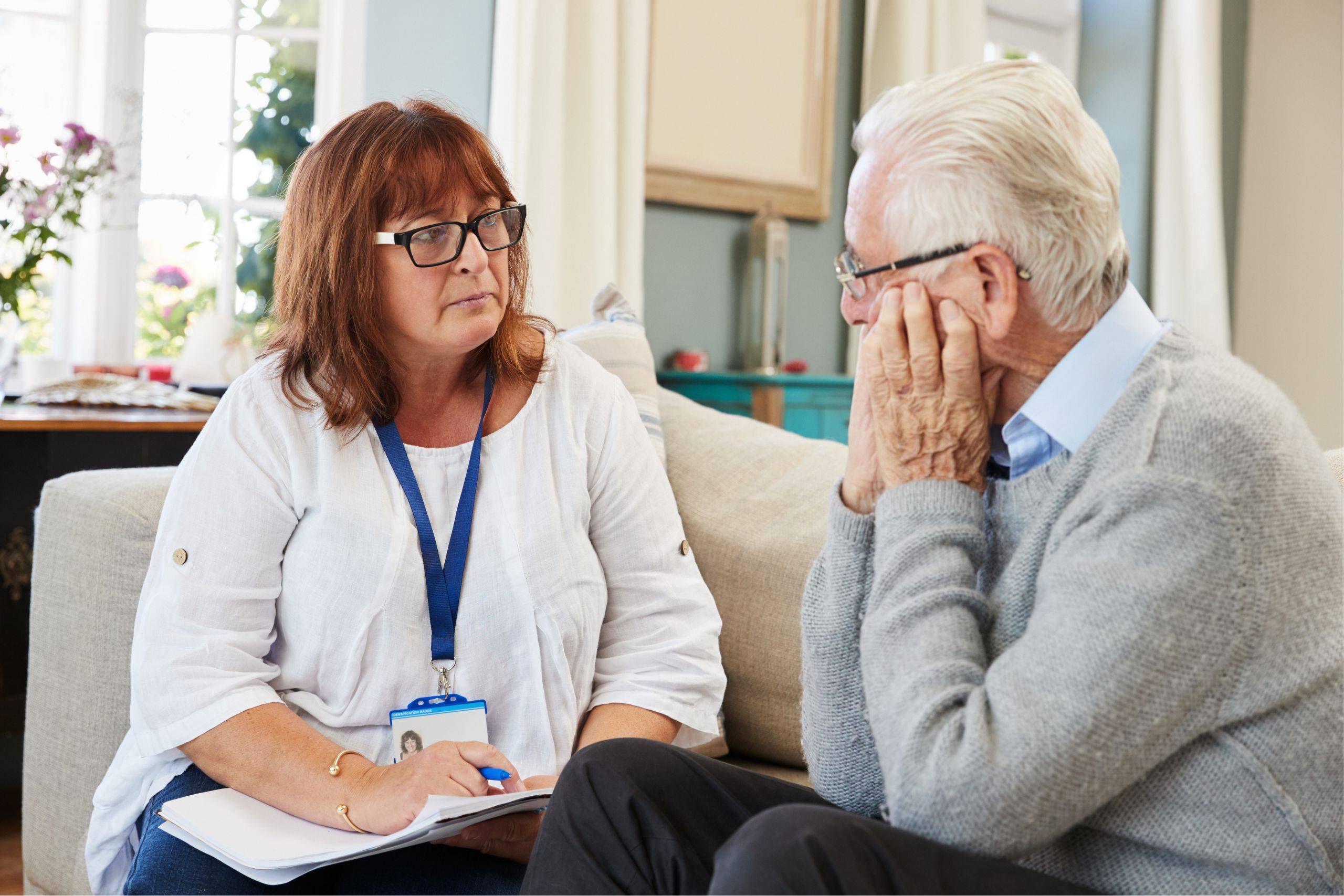
Older people experiencing homelessness can face particular challenges when living in supported accommodation that is often shared with younger residents. We spoke with Rosalind, who works at one of the schemes we support in Maidstone, about her experience of supporting older residents and the issues they face.
Have you supported older people in your service?
R: Yes. We have had some older residents, although there can sometimes be practical barriers. For example, we were recently unable to accept one referral because the individual used a mobility scooter, and the building could not safely accommodate it.
Accessibility can be a challenge in some supported accommodation settings, particularly in older buildings that were not originally designed with mobility needs in mind.
What has the experience been like for older residents living in your service?
R: One of our current residents, Ron*, has been managing well here because he has his own self-contained flat and does not have to share facilities with other residents.
Ron had been bidding for housing through the local authority’s housing register and was getting close to being offered a property. Unfortunately, he was recently removed from the bidding process because the council needed additional information for a review. The message was sent online, and Ron did not see it as he is not very confident using computers or modern technology.
Situations like this can make it harder for some older people to navigate housing systems that increasingly rely on digital communication.
Do older residents find it difficult living alongside younger residents?
R: In some cases, yes. Ron has said that he sometimes finds it difficult mixing with younger residents and feels they sometimes approach him wanting money.
Differences in lifestyles and expectations can lead to tensions. For example, some older residents are less comfortable with loud music – or behaviour they feel shows a lack of respect.
What do you think works best when supporting older people who are homeless?
R: In my experience, older people often cope better when they have their own space. Shared accommodation and communal facilities can sometimes be difficult, particularly when residents have very different routines or expectations about how shared spaces should be used.
Older people often need more support when moving into their own home after a period in temporary accommodation. Having the right type of housing is important, as well as ongoing support to help them settle in.
Things like CHC resettlement grants can really help, as they allow people to buy items that encourage independence. That can make the transition much easier to cope with.
After moving in, some older people may still need additional support to avoid issues such as benefit delays, rent arrears, neighbour disputes or even financial exploitation.
Small grants can make a big difference for people rebuilding their lives after homelessness.
With your support, Church Homeless Charity can continue helping people take that next step towards a stable home.