

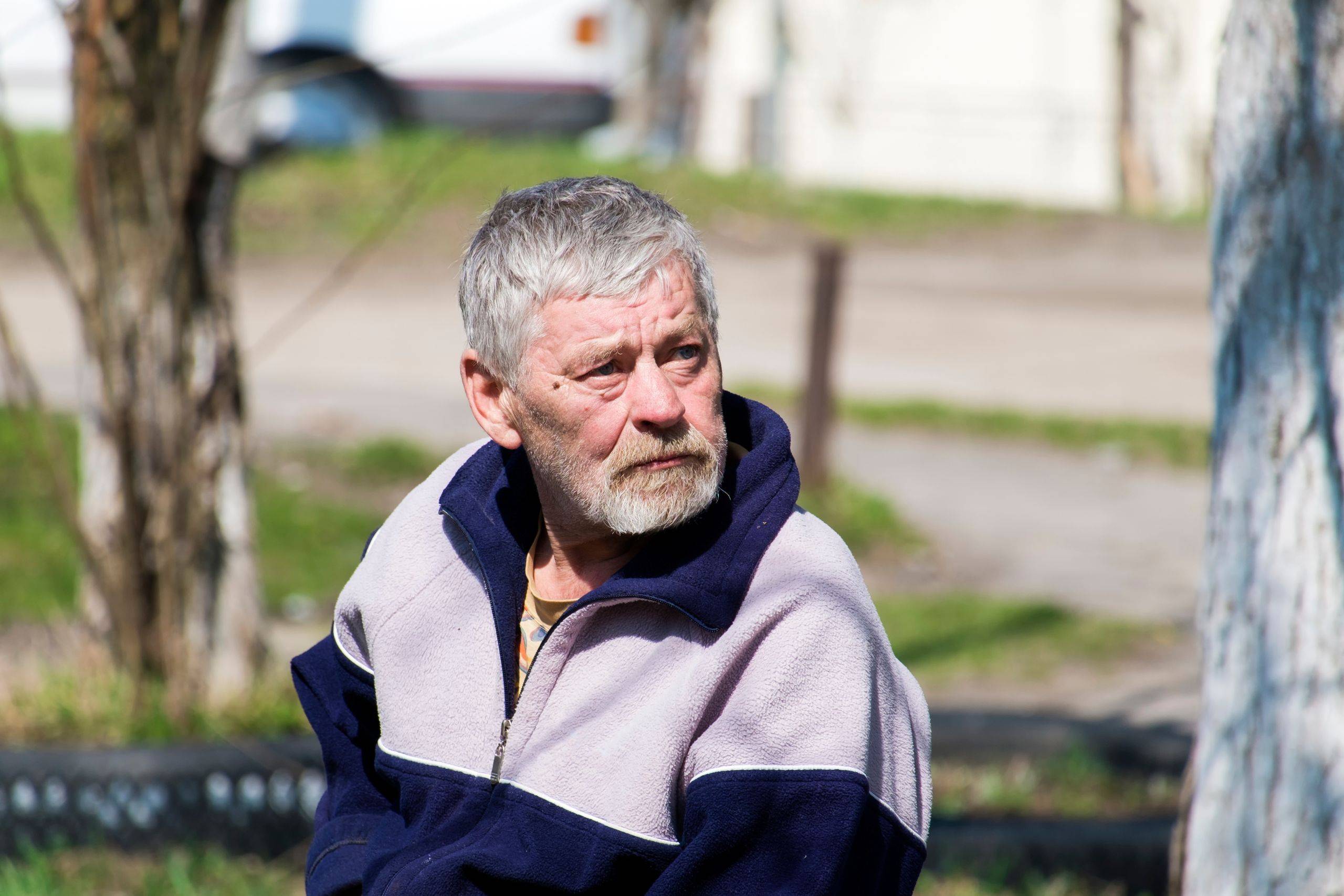
A growing number of people of retirement age are experiencing homelessness for the first time. Homelessness schemes, including many of the ones we support, are seeing increasing numbers of people aged 60 and over arriving in temporary accommodation.
For many, this is something they never imagined happening in later life.
What is happening?
A number of factors are at play – many of which affect people of all ages. But for an increasing number of older people, later life is becoming marked by housing instability and uncertainty.
The numbers
- 50% increase in over 65s seeking homelessness support
- 41% increase in over 65s in temporary accommodation
- 24% increase in over 65s renting privately
(In England, in the last four years.)
- The housing crisis: with home ownership increasingly out of reach, more people are renting well into later life. This leaves them vulnerable to eviction or rent increases they simply cannot afford.
- The cost of living: rising day-to-day costs, alongside savings that have gradually been depleted, mean many people no longer have the safety net they once relied on.
- Changing family dynamics: relationship breakdowns, bereavement, and the loss of traditional family support structures can leave older people particularly isolated.
How are older people affected?
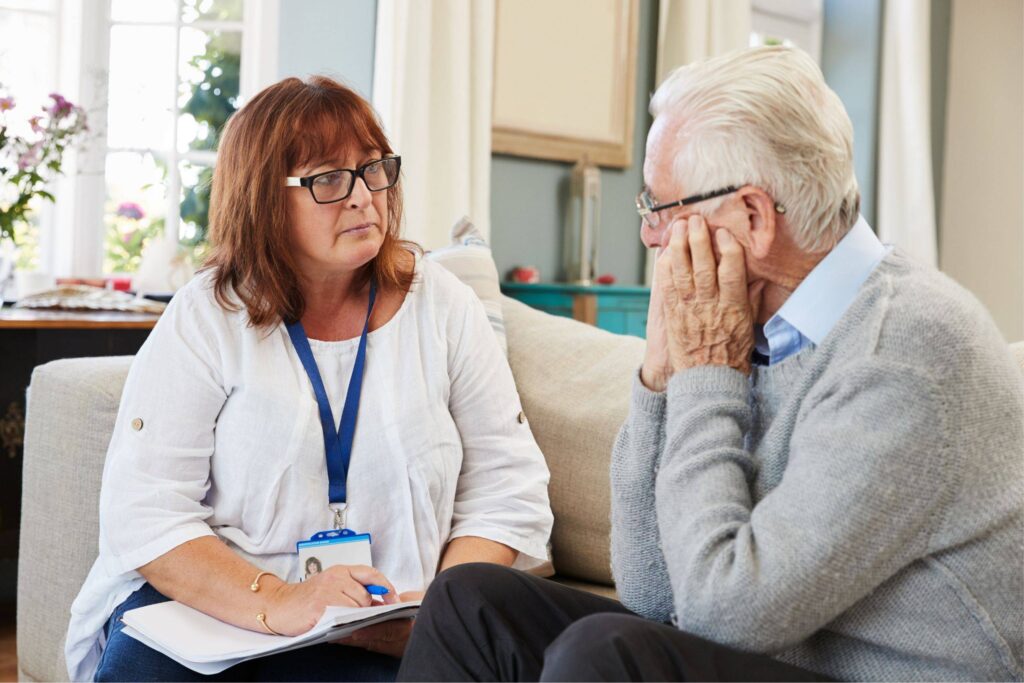
Older people facing homelessness often carry a deep sense of shame. They may be less likely to search for help online or know where to turn for support. Without strong family networks, they can also become more vulnerable to exploitation and abuse.
There is also what some charities describe as a ‘support gap.’ People who become homeless in their 50s or early 60s are often too young to access age-specific housing for older people, yet may have health needs that make general supported accommodation difficult. This can mean being placed in mixed-age and mixed-sex accommodation that is not always designed to support people with additional needs.
Temporary accommodation can take a heavy toll. For someone already managing health problems, the stress and instability can make day-to-day life even harder. At the same time, many people in this age group find it difficult – or impossible – to return to work, leaving fewer opportunities to rebuild their financial stability.
Others avoid the system altogether. Many people experiencing homelessness in later life are ‘sofa surfing’ with friends or relatives. While they may not be sleeping rough, this kind of hidden homelessness is deeply unsettling and often prevents them from accessing the formal support that could help them move forward.
How donations help
We recently supported a man in his early seventies who had lost his home when his landlord sold the property. With rents rising everywhere, he couldn’t secure another private tenancy. Fortunately, Ian* secured a room within a supported housing scheme, where his support worker applied for a CHC grant on his behalf.
The grant of £200 provided essential items, including a radio and a phone to connect with services and benefits.
He told his support worker:
“I don’t like to ask for much from anyone. But the new items mean that I can finally relax and start to look after myself.”
Donations that become small grants offer stability and hope to people experiencing homelessness. A gift this spring could provide the essentials that help an older person settle into safe accommodation, protect their health, and begin to rebuild their life.