
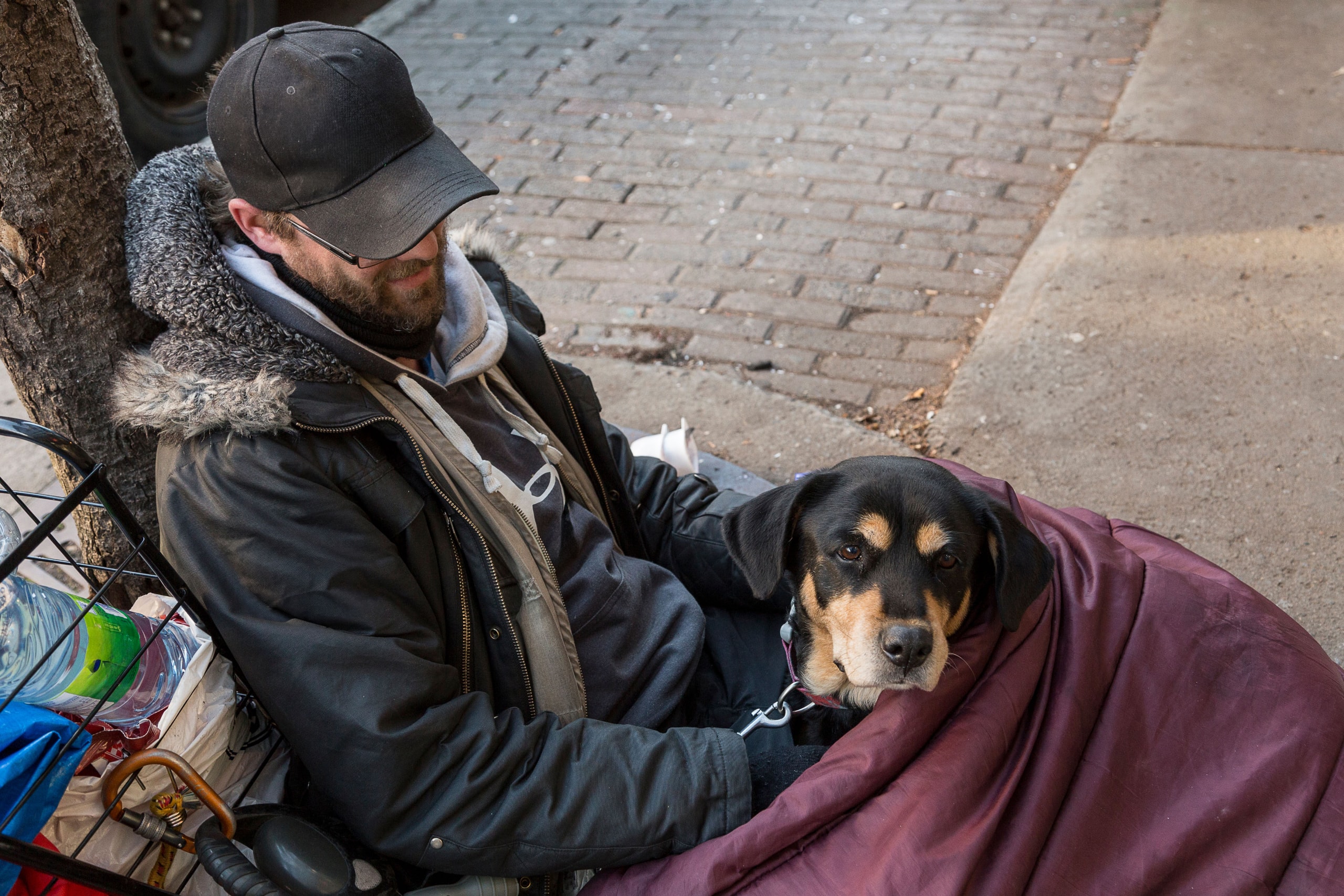
The debt we owe to our veterans is profound, yet too many find themselves facing homelessness after leaving military service. Amongst the homeless people we support, we are dedicated to supporting veterans experiencing homelessness.
Discharged from military service, veterans can experience a unique set of challenges that destabilise their housing situation. These can include:
- Mental health: experiences of combat can lead to conditions like PTSD, anxiety, and depression, hindering their ability to cope with every day life.
- Relationship challenges: maintaining or rebuilding close relationships and friendships can be difficult after years of service, leading to isolation.
- Limited civilian skills: many veterans struggle with the practicalities of daily life, such as managing bills, securing employment, and navigating benefit systems.
- Service-related injuries: lasting physical issues can significantly impact a veteran’s ability to reintegrate.
Recent statistics highlight a concerning trend: in 2022/23, 2,110 veteran households were assessed as homeless in England, marking a 14% increase from the previous year. This figure likely underrepresents the true scale of the issue, as many veterans experience ‘hidden homelessness. This is where they rely on temporary accommodation with friends or family.
Despite transition support offered by the Ministry of Defence, and Government funded initiatives such as Operation Fortitude and the Reducing Veteran Homelessness Programme, a number of veterans feel that the support available is hard to access and does not provide what they really need when they need it.
Timely, tailored support
A holistic approach is crucial, encompassing specialised housing schemes, peer support networks, and access to mental health professionals with military experience.
We are playing a vital role in supporting veterans experiencing homelessness. Tailored Church Homeless Charity grants meet people where they are. When someone is ready to take the next steps to independence, our grants help with rent arrears, deposits and household items – aiding the transition.
But support starts long before that moment. A gym membership, art supplies, or tools for a cherished hobby can be just as life-changing. They offer a sense of purpose, improving mental health, and building resilience.
If it helps a veteran move forward, it matters.
In partnership with veteran services, we can honour the sacrifices of those who served and ensure they have a better chance to thrive in civilian society.
Case studies: Homeless veterans supported with our grants
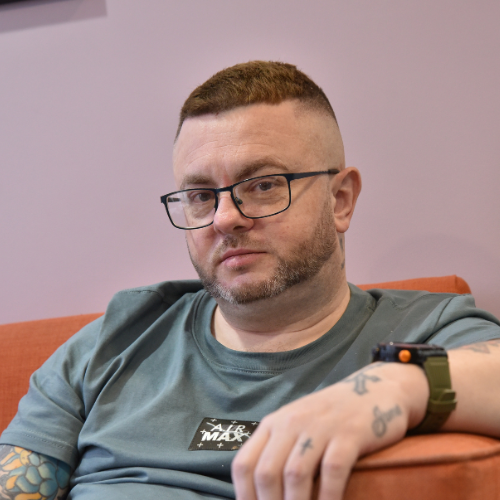
“Once you come home, you think yourself, I’ve actually done something – and it sets your mood for the whole day. It has helped me re-evaluate what I want, and what I want to be.”
Paul’s story
Paul, a veteran, lives with PTSD from his military service. He also suffers with physical injuries that left him with muscle weakness in his arms and legs. During a stay in a mental health hospital, he formed a close friendship. The friendship became a turning point in his journey. With nowhere to go after his discharge, his friend helped him connect with an accommodation service for veterans. There, Paul immediately felt at ease in the welcoming environment, appreciating the balance of support, structure, and independence.
Regular walks soon improved his mobility and lifted his mood. Wanting to continue his progress, Paul and a few other residents became interested in joining a local gym. A grant from CHC covered his membership, giving him access to gym facilities and a spa – supporting both his physical recovery and mental well-being. This holistic approach, combining physical exercise with relaxation and community support, empowers Paul as he takes his next steps to independent living.
Watch Paul’s feedback video

“The funding has given me a new start, and the ability to live an independent life.“
Sarah’s story
Sarah developed mental health issues during her time in the military, including PTSD, anxiety, and depression. Relationships, including the one with her partner, became difficult for her.
Following the breakdown of her relationship, Sarah was left with significant debts in her name, including car finance and council tax arrears.
Whilst in supported accommodation, Sarah applied for council housing closer to her family. Sadly, her application was suspended due to previous debts.
Church Homeless Charity covered the arrears, giving Sarah vital support to move forward.
*Recipient’s name changed to preserve their anonymity at their request.
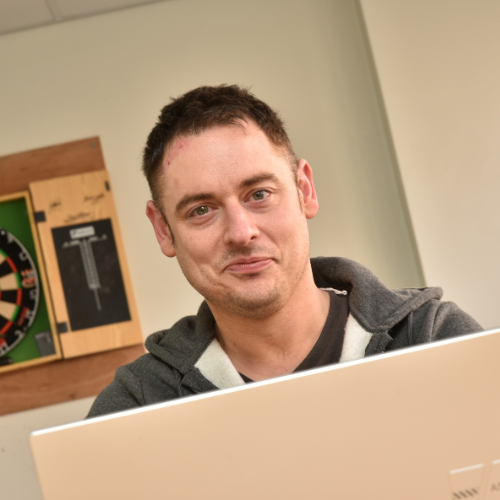
“For me, managing my addictive personality comes down to a triangle: the gym, my laptop, and volunteering. Thanks to CHC grants, I’ve got all three in place.”
Mark’s story
Having faced the challenges of isolation and self-medication, Mark understands the importance of having someone to listen. During his struggles with alcohol after leaving the military, he often called the Samaritans for support – especially in the early hours of the morning.
Now, he’s giving back by volunteering with Samaritans, taking the night shift at 3 a.m., the time he used to call the most. To support his role, Mark requested funding for a laptop, allowing him to volunteer remotely. It will also help him on his journey to independent living, enabling him to bid on properties and take the next steps toward a stable future.
Feedback from our partner Hardwick House
Hardwick House is one of the schemes with which we partner. Our partnerships enable us to reach homeless individuals when they are ready to take the next steps – and support them with a timely, tailored grant.
Hardwick House offer supported accommodation to homeless veterans in the Northeast. You can read more about them in another blog post – link below.
In this video, George Bell, a support worker at Hardwick House, gives feedback on the support which we give to the residents.