
Pride month is a celebration – of identity, community, resistance, and joy. But it’s also a moment to recognise the inequalities that still shape people’s lives. One of the starkest is homelessness.
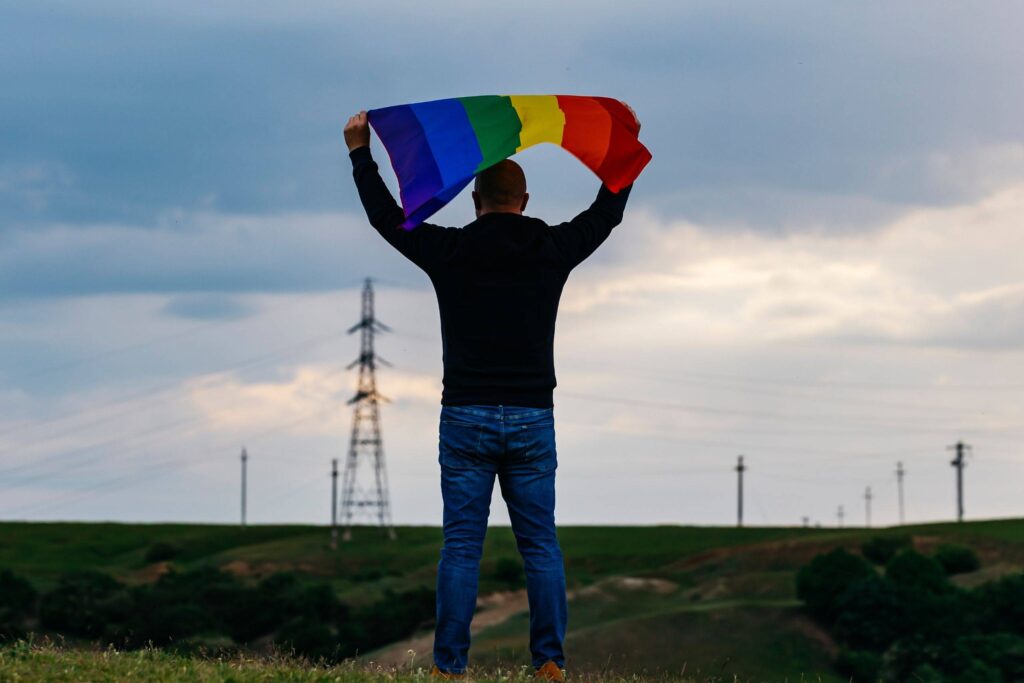
Across the UK, LGBTQI+ people are disproportionately affected by homelessness, often because of rejection, discrimination, or unsafe living environments.
For the people we support, homelessness is rarely the start of the story. It’s the result of pressure building over years: family conflict, abuse, trauma, or persecution. And for many, it’s made even harder by services that don’t always understand their needs.
This Pride month, we want to shine a light on the realities behind LGBTQI+ homelessness – and the practical ways our grants and partner schemes help people rebuild safety, identity, and hope.
The scale of LGBTQI+ homelessness in the UK
The evidence is clear: LGBTQI+ people face higher risks of homelessness than the general population.
- Almost one in five LGBT people in the UK have experienced homelessness at some point Crisis.
- Among trans people, the figure rises to 25% Crisis.
- 77% of LGBTQ+ young people cite family rejection, abuse, or being asked to leave home as the cause of their homelessness Crisis.
- As many as 24% of young people experiencing homelessness identify as LGBTQI+, according to AKT’s national findings Homeless Link.
- LGBTQ+ young people are twice as likely to experience hidden homelessness, such as sofa‑surfing, compared with non‑LGBTQ+ peers akt.
- One in three trans young people have experienced hidden homelessness, compared with 22% of cisgender young people akt.
These numbers reflect what frontline services have seen for years: LGBTQI+ people are over‑represented in homelessness statistics, yet under‑served by mainstream provision.
Many face domestic abuse, unsafe accommodation, or discrimination when accessing support.
Some avoid services altogether because they fear hostility or misunderstanding.
Why LGBTQI+ people become homeless
Homelessness is never caused by one factor alone. But for LGBTQI+ people, certain pressures appear again and again:
Family rejection and abuse
The single biggest driver for LGBTQ+ youth homelessness is being rejected or forced out of the family home because of their sexuality or gender identity. AKT reports that 77% of LGBTQ+ young people cite this as the cause of their homelessness Crisis.
Discrimination and unsafe living environments
Many LGBTQI+ people face harassment, violence, or coercive control in shared housing, temporary accommodation, or their local community. Trans people in particular report feeling unsafe in mixed‑gender hostels or unsupported by staff.
Persecution and displacement
Some people we support have fled their home towns – or their home countries – because it was no longer safe to live openly. Seeking asylum or relocating for safety often means starting again with nothing.
Hidden homelessness
LGBTQ+ people are more likely to sofa‑surf, stay with strangers, or remain in unsafe situations because they fear discrimination in services. Hidden homelessness is harder to measure, but the data shows it is widespread: 26% of LGBTQ+ young people report hidden homelessness, compared with the government’s estimate of 4% for the general population akt.
How we support LGBTQI+ people through grants and partnerships
Our charity works closely with supported housing schemes across England – including specialist LGBTQI+ services – to make sure people get the practical help they need at the moment they need it most.
For LGBTQI+ people, that support often includes:
Gender‑affirming essentials
For trans and non‑binary people, clothing, makeup, and personal items aren’t luxuries – they’re vital for safety, dignity, and mental health. Our grants help people buy gender‑affirming clothing so they can live comfortably, express themselves, and begin to rebuild confidence.
A fresh start away from persecution
For people fleeing unsafe environments, we fund the basics needed to settle somewhere new: travel costs, essential household items, and the things that make a new place feel like home.
Mental health and wellbeing
LGBTQI+ people experiencing homelessness are at higher risk of poor mental health, often due to trauma, discrimination, or isolation. Our grants help people reconnect with the things that bring them peace – from art supplies to gym memberships, musical instruments, or classes that offer structure and community.
Opportunities to bond and belong
We work with schemes that run away‑days, peer groups, and community activities. These give people the chance to meet others with shared experiences, build friendships, and feel part of something again.
Why this work matters – especially during Pride
Pride is a reminder that LGBTQI+ people deserve safety, respect, and the freedom to live openly. But for too many, those rights are still out of reach.
Homelessness strips people of stability, identity, and belonging – the very things Pride celebrates.
By funding practical, person‑centred support, we help people rebuild those foundations.
A grant for clothing, a hobby, or a day out might seem small. But for someone who has lost everything, it can be the first step towards feeling human again.
A path forward
Ending LGBTQI+ homelessness requires inclusive services, better data, and policies that recognise the realities people face. But it also requires compassion – the kind that sees each person as an individual with hopes, talents, and a future worth investing in.
This Pride month, we’re proud to stand with the LGBTQI+ community. And we’re proud to support people rebuilding after homelessness with the practical, life‑changing grants that help them move forward.
If you’d like to support this work, your donation can help someone take their next step towards safety, stability, and a life where they can truly be themselves.