Understanding the barriers LGBTIQ+ people face – and the support that truly makes a difference
For many LGBTIQ+ people, homelessness is not just about losing a home – it’s about losing safety, belonging and the freedom to live openly. In North London, Anira House, a seven‑bed crisis shelter run by The Outside Project, offers a rare space where LGBTIQ+ people can recover from homelessness with dignity and specialist support.

We spoke with Chima Itabor, Residential Services Manager at Anira House, about the challenges their residents face, the gaps in mainstream provision, and the kind of support that genuinely helps people rebuild their lives.
A specialist response to LGBTIQ+ homelessness
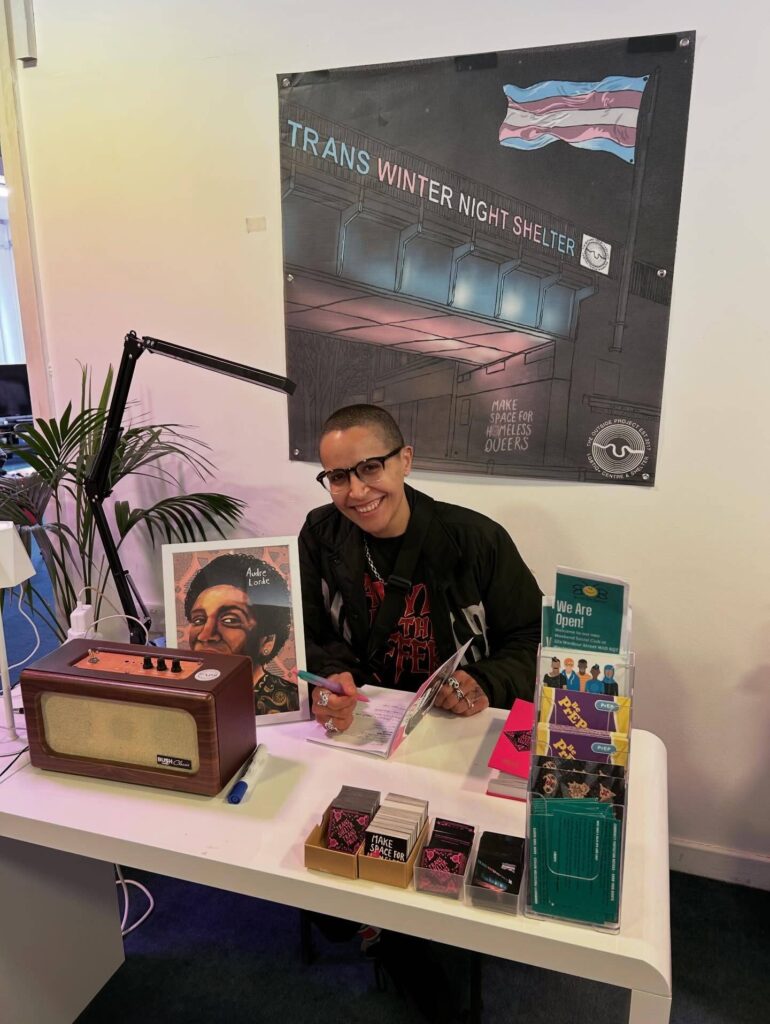
The Outside Project describes itself as “an LGBTIQ+ community shelter, centre and domestic abuse refuge in response to those who feel endangered, who are homeless, ‘hidden’ homeless, or excluded from services due to prejudice.”
Anira House is one of three residential services within the project, alongside the Trans Winter Night Shelter and STAR Refuge. Together, they provide crisis accommodation and tailored support for people who often fall through the gaps in mainstream homelessness services.
Chima explains that people usually come to Anira House after presenting at the organisation’s LGBTIQ+ centre in South London. If they meet the criteria, they’re offered a safe place to stay and a support plan built around their needs.
At the heart of the work is helping residents recover from homelessness in a way that recognises their identities, experiences and strengths. This includes:
Independent living skills such as cooking classes and budgeting
Key sessions exploring boundaries, consent and healthy relationships
Benefits support to maximise income
Resettlement planning that centres each person’s goals and safety
These practical steps help residents rebuild confidence and prepare for a stable, independent future.
The challenges LGBTIQ+ residents face
Chima is clear that the barriers facing LGBTIQ+ people experiencing homelessness are significant – and often misunderstood.
Many residents arrive after facing stigma, rejection or abuse linked to their gender identity or sexuality. This trauma often sits alongside complex mental health needs, yet finding services that are both affordable and sensitive to LGBTIQ+ experiences is extremely difficult.
“There are very few services that they can approach that are affordable or sensitive,” Chima says. “That’s a challenge when trying to address their mental health issues.”
Money is another major barrier. Even when residents move into a flat, they often cannot afford the basics that make a home feel safe and functional – things like flooring, curtains, a bed, or a fridge.
Others struggle to buy essential tech such as a smartphone or laptop, which are now vital for job applications, benefits, staying connected and accessing support.
These may seem like small things, but they play a huge role in helping someone rebuild their life, stay connected and feel part of the world again.
The support that makes a difference
Anira House offers a wide range of support to help residents move forward.
A combination of practical help and emotional support gives residents the stability they need to begin healing from trauma and planning for the future.
Small grants from Church Homeless Charity play a crucial role in filling the gaps left by statutory services. Chima describes the simple application process, which is vital when staff are stretched and residents need support quickly.
The grants are often used to:
Furnish unfurnished flats
Purchase essential tech items
These items may seem basic, but they can be life‑changing. A furnished flat feels safe and liveable. A laptop opens the door to education, employment and connection. A phone allows someone to stay in touch with support networks and services.
For residents who have faced exclusion, discrimination and instability, these grants offer something deeper: a sense that someone cares.