


An interview with Chris Wild.
Every year, around 13,000 people ‘age out’ of the care system in England on their 18th birthday. This is when a care order ends, and the local authority is no longer the ‘corporate parent’.
For too many, the support system they need to live independently simply isn’t there. Care leavers are left dangerously vulnerable to homelessness, exploitation, and isolation.
Care leavers make up 25% of the adult homeless population.
Can you tell us a bit about your background and how you came to be in the care system?
My father passed away when I was 11. My mum was young and found solace in alcohol and was mentally unwell. I found solace on the streets with other fragmented boys like me, and I became known to the local authorities as a juvenile delinquent – it became apparent that there was a safeguarding issue at home, and I was taken into a children’s home.
What was your experience of leaving care like, and what kind of support – if any – was offered to you at that time?
Absolutely none. It was a handshake, a meeting with a careers officer and a bedsit.
In your view, what are the biggest challenges that care leavers face that others their age often don’t?
There’s enough evidence to show that the majority of care leavers face daily discrimination with housing, employment and other challenges. A third will experience homeless within two years of leaving care. Compare that to their peers and see the dramatic difference.
How did these challenges affect your ability to continue education, find a job or secure stable housing?
I had to fight to survive. Literally. I joined the army for food and a roof over my head, but it led to years of mental health struggles and addiction problems. I’ve been homeless twice in my life because I did not receive any support as a young boy leaving the system.
What do you think needs to change in the care system to better prepare young people for adult life?
Legislation needs to change. We need care experience to be a protected characteristic. This will change the narrative once and for all and put legal protection in place.
Charities like ours support care leavers through small but vital grants – whether for a travel pass, course equipment, or items for a new home. What kind of difference can this kind of help make to someone who is in your position?
Life saving. It’s always the trivial things the general public take for granted, but in our world (care experience) it’s huge.
About Chris Wild
Chris Wild is a prominent advocate for young people in the UK care system. Known for his deep commitment to reforming care practices based on his own challenging experiences growing up in foster care. Often referred to as the “Care Leaver Activist,” he has made a significant impact by speaking openly about the systemic flaws within child care. Particularly around issues like neglect, mental health, and the lack of adequate support for children in and leaving care.
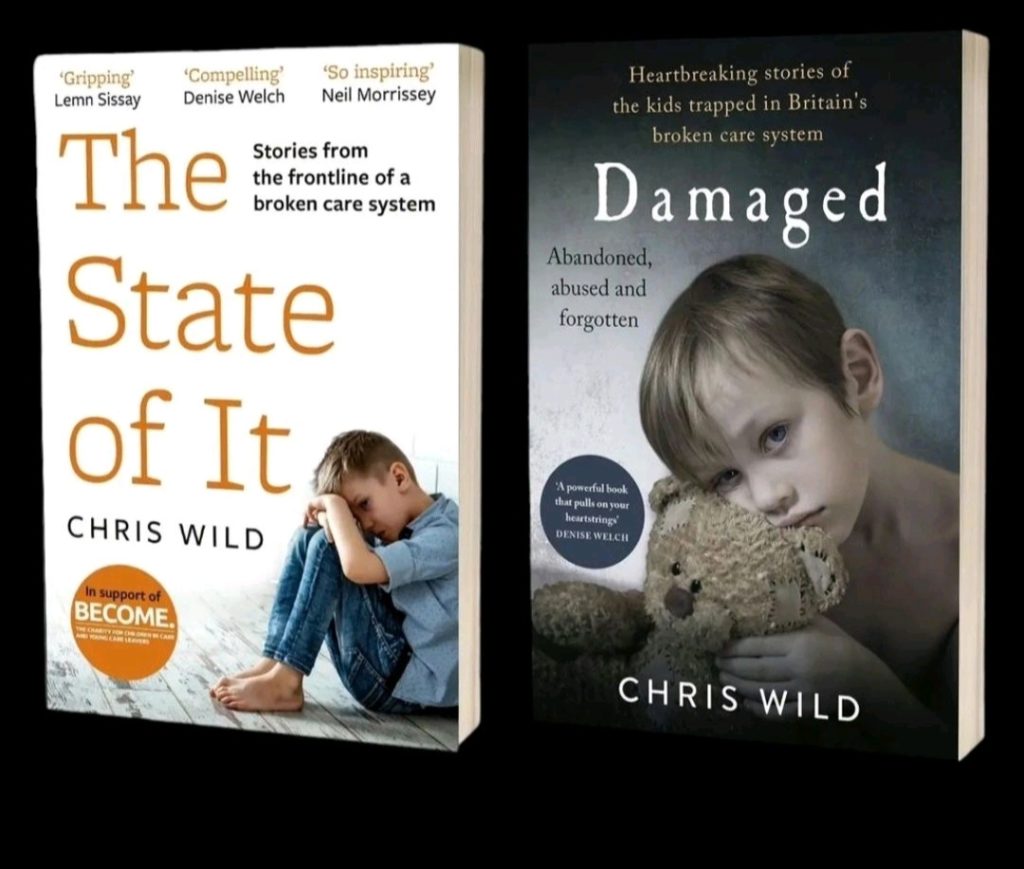
Wild has authored books, including Damaged, which details his personal journey through the care system and highlights the traumatic effects of inadequate care.His experiences fuel his advocacy efforts, especially in addressing the high rates of mental health issues, homelessness, and lack of educational support faced by care leavers. Wild also collaborates with organizations and policy-makers to push for legislative changes. Which would ensure better oversight, protection, and support for children and young adults in the care system.
Through public speaking, writing, and collaboration with care charities, Wild has become a voice for thousands of young people in care. He works tirelessly to influence both public perception and government policy. His advocacy work has earned him recognition as one of the most influential campaigners for care-experienced individuals in the UK today.
The number of care leavers aged 18-20 experiencing homelessness has increased by 54% over the past five years.